Osteoarthritis explained: managing wear and tear
11 June 2026 · By Ortho.mu · Updated 17 June 2026
What osteoarthritis is
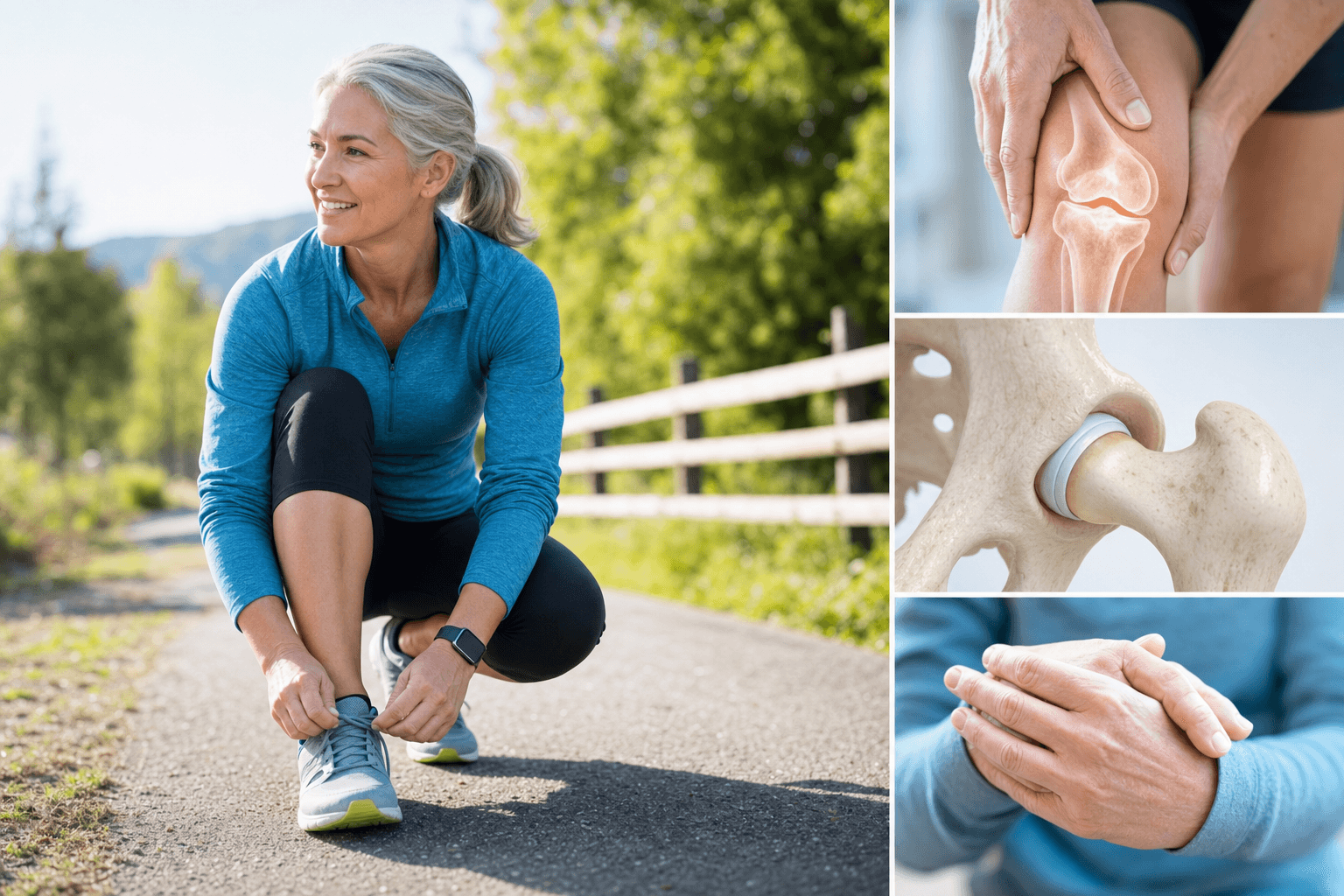
Osteoarthritis is the most common joint condition worldwide. It happens when the smooth cartilage that cushions the ends of bones gradually wears down. As the cushioning thins, bones move less smoothly against each other, which can cause pain, stiffness and sometimes swelling. It most often affects the knees, hips, hands and spine.
The word arthritis simply means joint inflammation, and there are many types. Osteoarthritis is the wear and tear type. The good news is that a diagnosis does not mean inevitable decline. Many people manage it well for years with the right habits and support.
Why it happens
Cartilage naturally changes with age, so osteoarthritis becomes more common as we get older. Several other factors increase the chance of developing it:
- Carrying extra weight, which adds load to the knees and hips with every step.
- Previous joint injuries, such as a torn ligament or a fracture near a joint.
- Jobs or sports that place repeated stress on the same joints.
- A family history of the condition.
None of these guarantee osteoarthritis, and not everyone with risk factors develops symptoms.
Recognising the signs
The symptoms of osteoarthritis tend to develop slowly over months or years. Common signs include:
- Pain that worsens with activity and eases with rest.
- Stiffness, especially in the morning or after sitting still, that usually loosens within half an hour.
- A grating or clicking sensation when you move the joint.
- Mild swelling around the joint.
Symptoms often vary from day to day, and many people have good spells and harder spells. This is normal.
How it is managed
Movement and exercise
It may seem surprising, but staying active is one of the most effective treatments. Gentle, regular exercise strengthens the muscles that support a joint, keeps it flexible, and helps control weight. Low-impact options such as swimming, water exercise, cycling and walking are ideal. In Mauritius, the warm sea offers a pleasant and joint-friendly way to stay active.
Weight management
Losing even a small amount of weight noticeably reduces the load on the knees and hips. Combined with exercise, this is one of the most powerful steps available.
Pain relief
Simple pain relief and anti-inflammatory medicines can help during flare-ups. Heat packs ease stiffness, while cold packs can calm a swollen joint. A pharmacist or doctor can advise which option suits you, particularly if you take other medicines.
Supportive aids
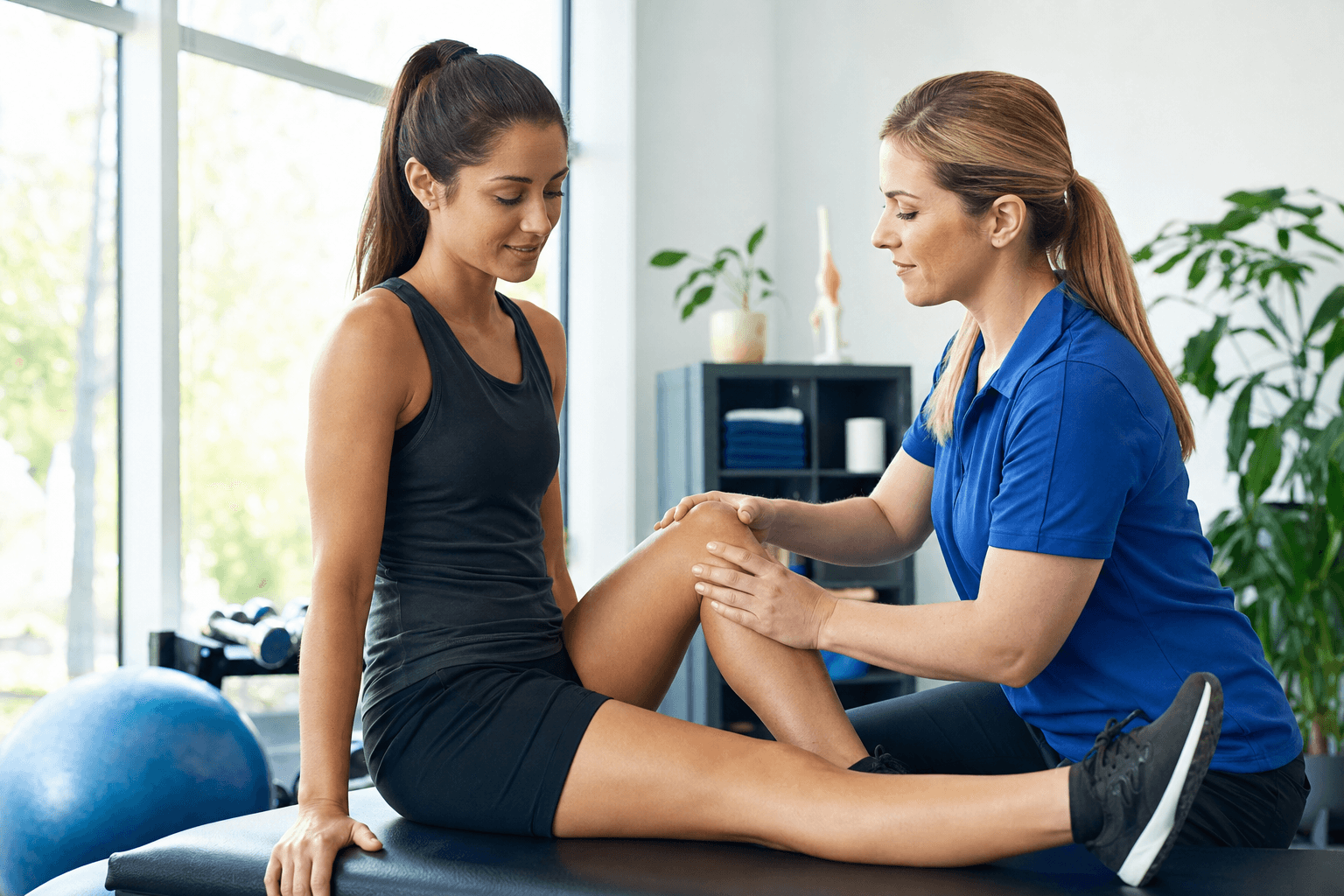
Supportive shoes, a walking stick used on the correct side, or a brace can take pressure off a painful joint. A physiotherapist can suggest aids and tailor an exercise plan to your needs.
When more is needed
If pain becomes severe and limits daily life despite these measures, a doctor may discuss further options. These can include joint injections or, for advanced cases, joint replacement surgery, which is now very successful for hips and knees.
Everyday habits that help
Small changes add up over time:
- Pace your activities so you do not overload a joint in one go.
- Strengthen your muscles steadily rather than pushing through sharp pain.
- Protect your joints by lifting carefully and avoiding awkward twisting.
- Stay warm, as stiffness can ease with gentle heat.
Many people find that a steady routine keeps them comfortable and independent.
A hopeful outlook
Osteoarthritis is common, but it is rarely a reason to give up the activities you enjoy. With movement, weight care and sensible support, most people continue to live full and active lives.
This article offers general education only. Symptoms can overlap with other conditions, so if your pain is getting worse, waking you at night, or limiting what you can do, please talk to your doctor, who can confirm the diagnosis and help you build a plan that fits your life.
Strong bones and joints are central to a longer, healthier life. Explore the wider Medtech health ecosystem.