Patient education, Mauritius
Know your joints. Keep them moving.
Ortho.mu is a clear, reassuring patient-education resource on bone and joint health, explaining common orthopedic conditions, treatments and recovery for patients in Mauritius.
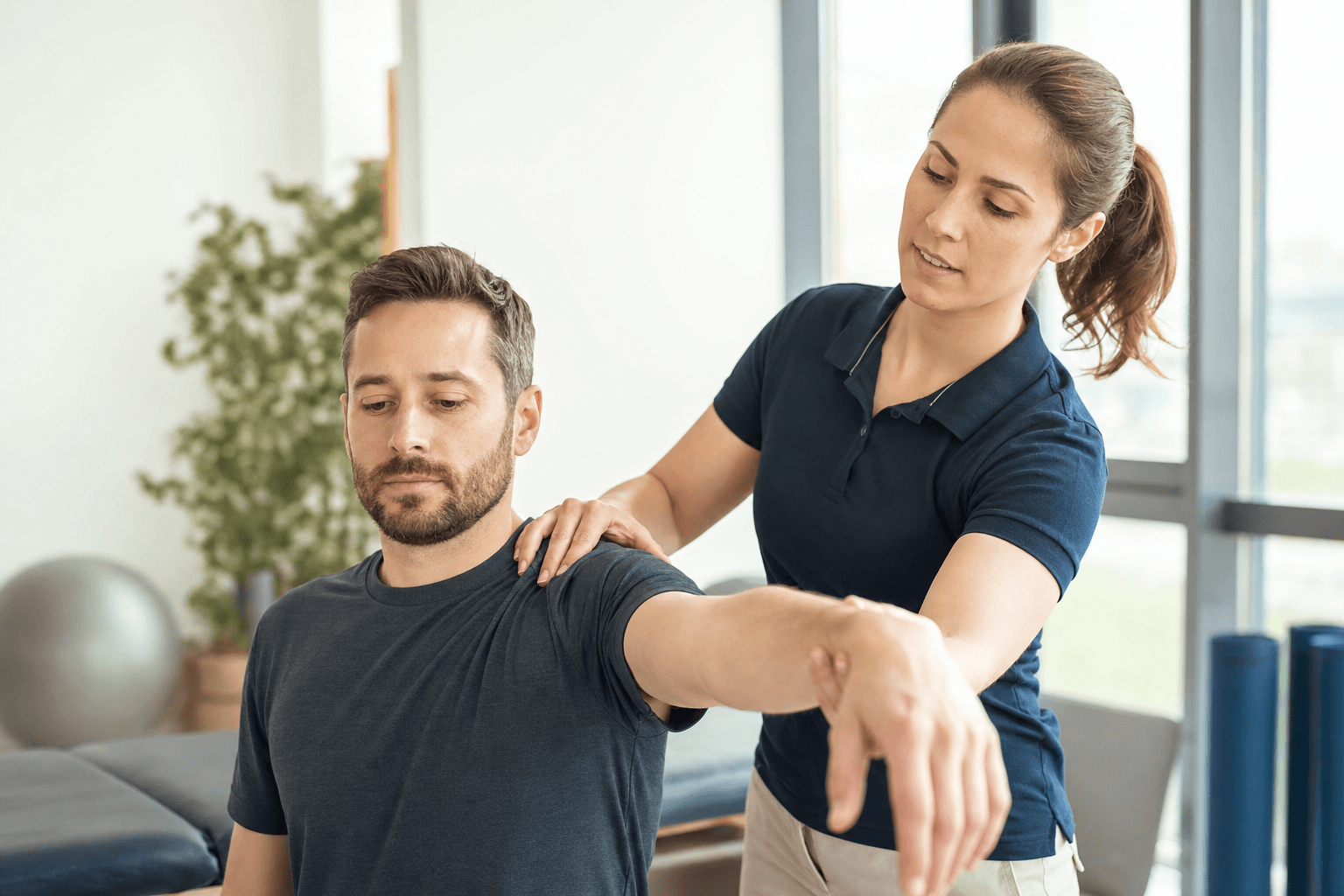
Explore your joint
Pick a joint on the body map and learn the patterns doctors commonly see there, what helps, and the red flags that mean go now.
Move within comfort
Three gentle range-of-motion drills for every region, printable, with one rule above all: stop if pain is sharp.
Arrive prepared
A before-your-appointment checklist that turns fifteen rushed minutes into a consultation that actually answers your questions.
Strength is the medicine
From knees to backs, modern guidance is exercise-first. We explain the why, so the how feels worth doing.
Patient tools
Start with the joint that is talking to you
Free, private and honest about their limits: these tools run in your browser, store nothing on our servers, and never pretend a website can examine you.
Written against NHS conditions guidance, NICE NG226 and AAOS OrthoInfo. Last reviewed 2026-07-16.
What is Ortho.mu?
Ortho.mu is an educational resource about orthopedics and musculoskeletal health, written in plain language for people in Mauritius. The musculoskeletal system, the bones, joints, muscles, tendons, and ligaments that hold us up and move us around, carries us through every day, yet most of us only think about it when something hurts. The site explains how common problems arise and what can be done about them: osteoarthritis and joint pain, back and neck pain, sports injuries, fractures, tendon problems, and the bone thinning of osteoporosis. It covers what to expect from consultations, imaging, physiotherapy, and surgery such as joint replacement, and what realistic recovery usually looks like. Just as importantly, it focuses on prevention: building and keeping muscle strength, protecting bone density through the lifespan, moving well at work and in sport, and staying active with confidence in later years. Every article is practical, evidence-informed, and honest about what is known and what is not. Ortho.mu does not diagnose or treat, and it does not replace an orthopedic specialist, physiotherapist, or doctor; its goal is to help people in Mauritius understand their bones and joints and make informed decisions about caring for them.
Frequently asked questions
What does an orthopedic specialist treat?
Orthopedic specialists deal with the musculoskeletal system: bones, joints, muscles, tendons, ligaments, and the spine. They manage problems ranging from fractures and sports injuries to arthritis, back pain, and deformities, using treatments that span exercise and rehabilitation through to surgery. Many musculoskeletal problems improve without an operation, so orthopedic care often starts with the simplest effective option.
What is osteoarthritis, and can anything slow it down?
Osteoarthritis is the most common form of arthritis, in which the cartilage that cushions a joint gradually wears and the joint becomes painful and stiff. While it cannot simply be reversed, regular appropriate exercise, strength training, weight management, and good pain management can reduce symptoms and help people stay active. Treatment is tailored to the person, and joint replacement is generally considered only when other measures no longer control symptoms.
When should I see a professional about back pain?
Most episodes of back pain settle within days to weeks with gentle movement and simple measures, and staying active usually helps more than bed rest. See a professional promptly if pain follows significant trauma, or comes with fever, unexplained weight loss, numbness in the groin or legs, weakness, or problems controlling the bladder or bowel. Pain that persists or keeps returning also deserves proper assessment rather than guesswork.
How can I keep my bones strong as I age?
Bone responds to being used: weight-bearing activity such as walking, together with resistance or strength training, signals the body to maintain bone density. A diet with enough calcium and protein, adequate vitamin D, not smoking, and moderating alcohol all support bone health too. Because bone loss is silent, people at higher risk of osteoporosis, especially after menopause, should discuss screening with their doctor.
Is the information on Ortho.mu a substitute for medical advice?
No. Ortho.mu publishes general education about bones, joints, and musculoskeletal health, not personalised medical advice, and it cannot diagnose or treat any condition. Injuries and joint problems vary widely between people, so decisions about treatment, rehabilitation, or surgery should be made with a qualified professional who has examined you. The content here is meant to inform those conversations, not replace them.
From the blog
View all →
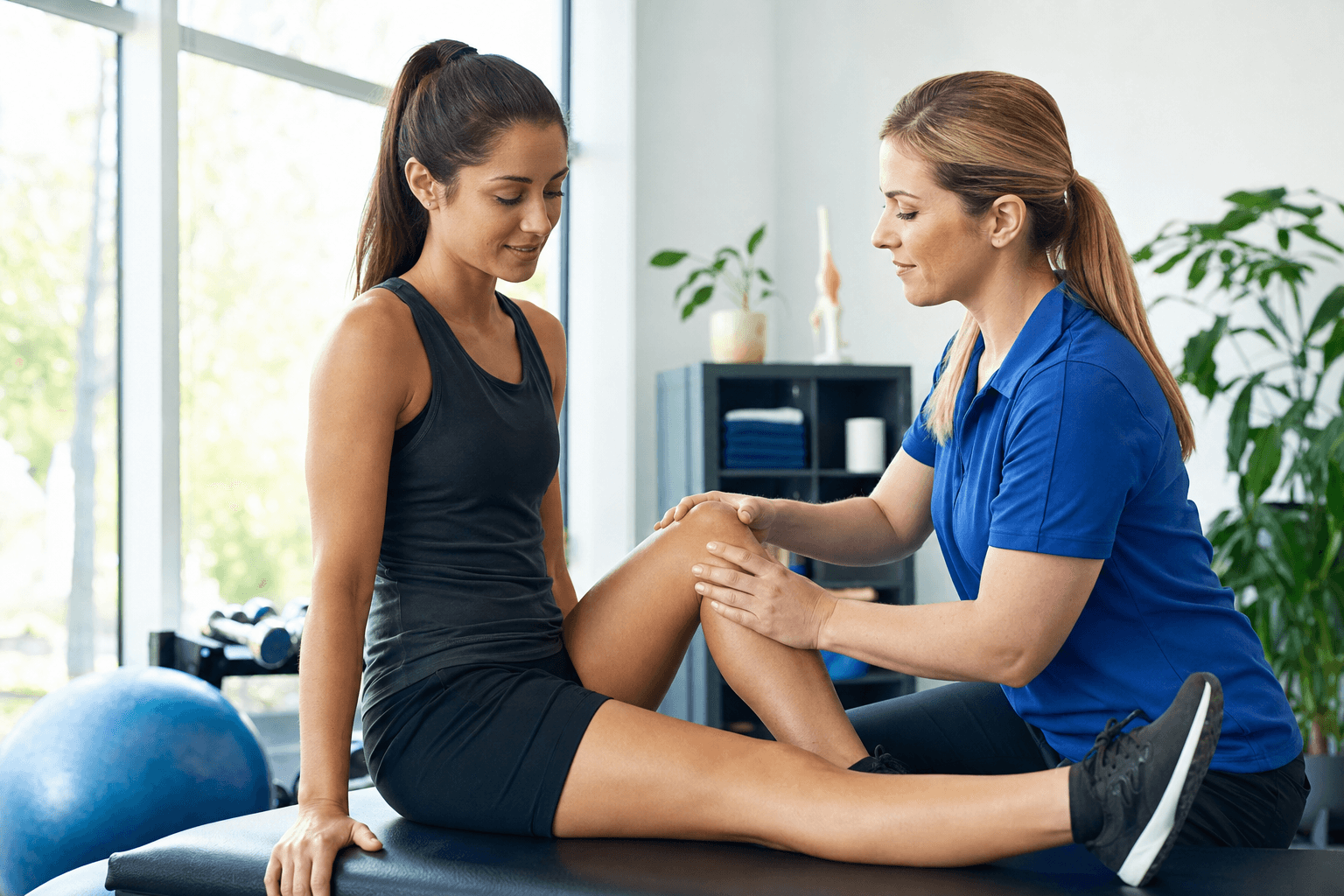

Strong bones and joints are central to a longer, healthier life.
Ortho.mu is part of the Medtech health ecosystem.
Discover Medtech