
Sports and overuse injuries: prevention and recovery
15 June 2026 · By Ortho.mu · Updated 17 June 2026
Staying active without setbacks
Exercise is one of the best things you can do for your bones, joints and overall health. Yet pushing too hard, too soon, or without proper preparation can lead to injury. Sports and overuse injuries are common, but most are preventable, and most heal well with sensible care. Understanding how they happen helps you stay active and enjoy your activities for years to come.
Two kinds of injury
Sudden injuries
These happen in a single moment, such as a sprained ankle, a pulled muscle or a fall. The pain is immediate, and there may be swelling, bruising or difficulty using the part.
Overuse injuries
These build up gradually when a tissue is stressed repeatedly without enough time to recover. Examples include tendon pain around the elbow, knee or heel, and stress reactions in bone. They often start as a niggle that is easy to ignore, then worsen if the activity continues unchanged.
Recognising the difference matters, because overuse injuries are a signal to adjust your training rather than simply push through.
Preventing injury
Warm up and cool down
A few minutes of gentle movement before exercise prepares the muscles and joints, while a gradual cool down helps the body recover. Warming up is especially worthwhile before more vigorous sport.
Build up gradually
Many overuse injuries come from doing too much too soon. Increase the distance, weight or intensity of your training slowly, allowing your body to adapt. A useful rule of thumb is to make small, steady increases rather than sudden jumps.
Use the right equipment
Supportive, well-fitting footwear suited to your activity reduces strain on the feet, ankles and knees. Replace worn-out shoes. For sports with specific gear, make sure it fits and is in good condition.
Rest and recover
Rest days are part of training, not a break from it. They give tissues time to repair and grow stronger. Listen to your body, and treat persistent aches as information rather than something to override.
Mind the climate
In the warm, humid weather common in Mauritius, exercise during cooler parts of the day where possible, drink plenty of water, and slow down if you feel overheated. Heat and dehydration make injuries and fatigue more likely.
Treating a fresh injury
For many minor sprains and strains, a simple approach in the first days helps:
- Rest the injured part and avoid activities that cause pain.
- Apply a cold pack wrapped in a cloth for short periods to ease swelling.
- Support the area with a bandage if advised, without wrapping it too tightly.
- Raise the injured limb when resting to reduce swelling.
Gentle movement should return gradually as comfort allows, since prolonged complete rest can slow recovery.
Returning to activity
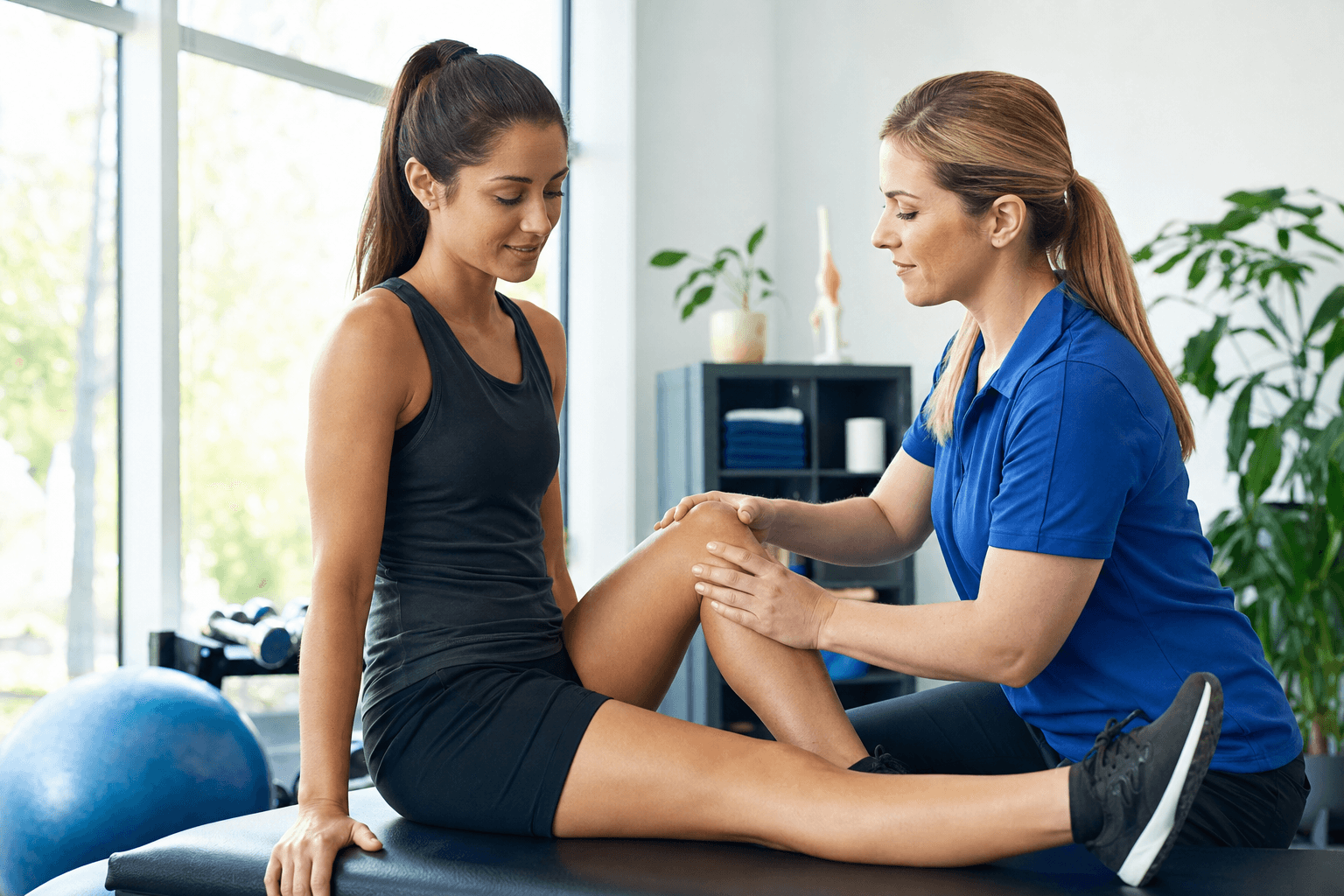
Coming back too quickly is a common cause of repeat injury. Return in stages, starting at a lower intensity and building back up as strength and confidence return. If a particular movement still hurts, ease off and give it more time. A physiotherapist can guide a safe return and suggest exercises to correct any weakness that contributed to the injury.
When to see a doctor
Seek medical advice if you cannot put weight on the injured part, if there is severe pain or significant swelling, if the joint looks out of shape, or if an injury is not improving after a couple of weeks of sensible care. Numbness, a feeling of the joint giving way, or a pop at the moment of injury also deserve a check.
This article offers general information and is not a substitute for personal medical advice. If you are worried about an injury, or it is not settling as you expect, please talk to your doctor or a physiotherapist, who can examine you and guide your recovery.
Strong bones and joints are central to a longer, healthier life. Explore the wider Medtech health ecosystem.