Recovering well after a joint replacement
13 June 2026 · By Ortho.mu · Updated 17 June 2026

A new chapter for a worn joint
Joint replacement surgery, most commonly of the hip or knee, is one of the most successful operations in modern medicine. It replaces a damaged, painful joint with a smooth artificial one, helping people return to comfortable, active life after years of pain. While the surgery itself is important, recovery is where the real progress happens, and your effort during this time makes a lasting difference.
This article explains what to expect and how to support your own healing. Your surgical and rehabilitation team will give you instructions tailored to your situation, and those instructions always come first.
The early days
Getting moving again
It may be a surprise, but you will usually be encouraged to stand and take a few steps within a day of surgery, often with the help of a frame or crutches. Early, gentle movement reduces the risk of complications such as blood clots and stiffness, and it helps the new joint settle in.
Managing pain and swelling
Some pain and swelling are normal in the first weeks. Your team will provide pain relief so you can move and do your exercises. Elevating the limb and using cold packs as advised can ease swelling. Take pain relief regularly enough to stay comfortable during rehabilitation rather than waiting for pain to become severe.
Caring for the wound
Keep the wound clean and dry as instructed, and watch for signs of infection such as increasing redness, warmth, swelling, discharge or fever. Report these to your team promptly.
Rehabilitation and exercise
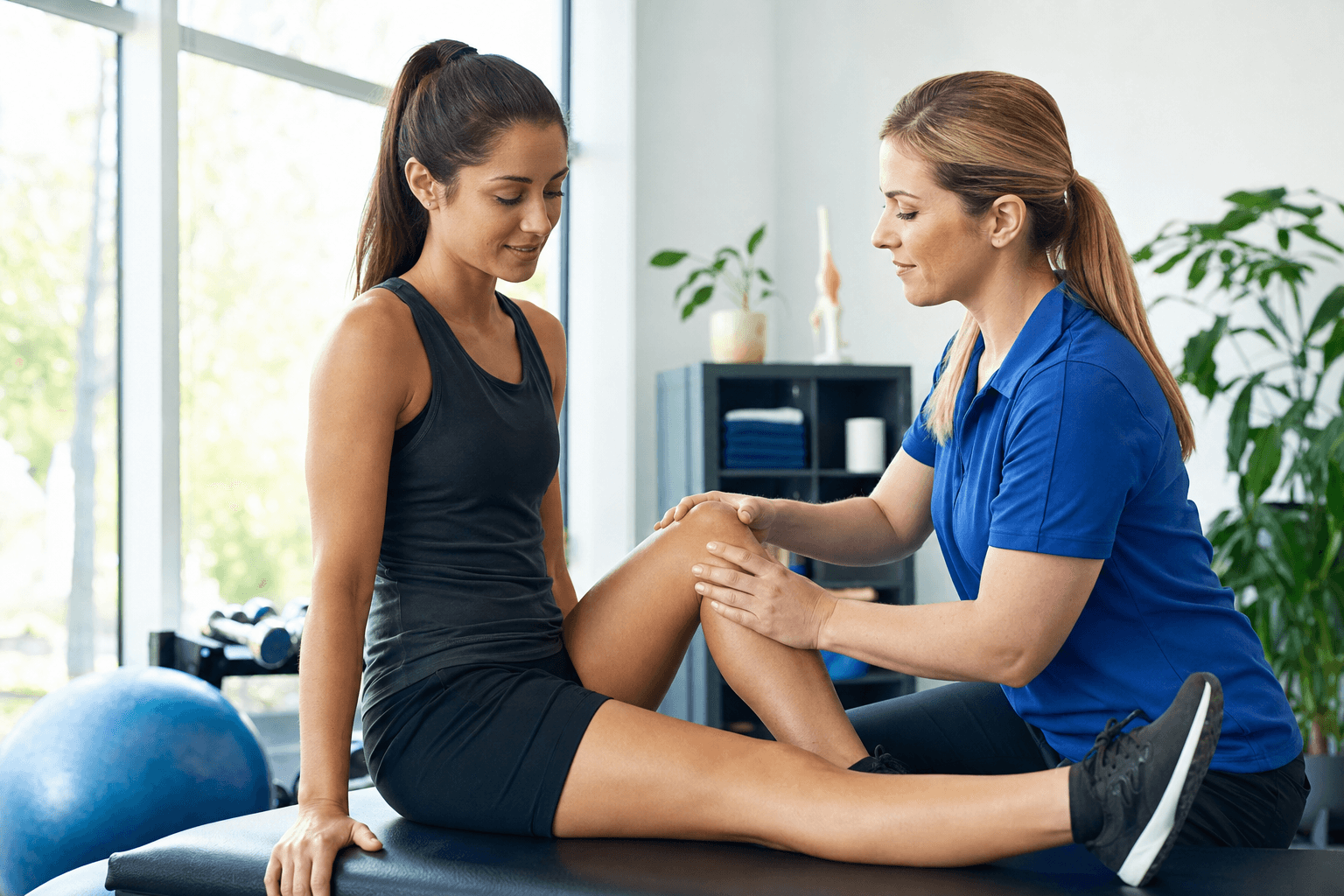
Physiotherapy is the heart of a good recovery. A physiotherapist will guide you through exercises that rebuild strength, restore movement and improve balance. Doing these regularly, even when progress feels slow, is the single most important thing you can do.
Progress is gradual. In the first weeks you focus on basic movements and walking safely. Over the following months you build strength and confidence. Many people return to walking comfortably, gardening, swimming and other gentle activities.
Staying safe at home
A few simple preparations make home life easier and safer in the early weeks:
- Remove loose rugs and clutter that could cause a trip.
- Keep everyday items within easy reach to avoid stretching or bending too far.
- Use any aids provided, such as a raised toilet seat or a long-handled grabber.
- Follow any movement precautions your surgeon gives, for example limits on bending or crossing the legs after a hip replacement.
In a warm climate like Mauritius, stay well hydrated and avoid becoming overheated during exercise, which helps you keep going steadily.
Looking after the new joint
A replaced joint can last many years, and sensible habits help it serve you well. Keep a healthy weight to reduce load on the joint, stay active with low-impact exercise, and avoid high-impact activities unless your surgeon has cleared them. Continue the strengthening exercises your physiotherapist recommends even after you feel recovered.
Let other healthcare providers, including your dentist, know that you have an artificial joint, as they may take this into account during certain procedures.
Patience pays off
Full recovery from a joint replacement often takes several months, and a little patience goes a long way. There may be good days and harder days, which is completely normal. Keeping up with your exercises and following your team's guidance steadily leads to the best results.
This article gives general information only and does not replace the advice of your own surgical and rehabilitation team. If you have any concerns during your recovery, such as new pain, swelling, fever or difficulty moving, please talk to your doctor or surgical team without delay.
Strong bones and joints are central to a longer, healthier life. Explore the wider Medtech health ecosystem.